
Introduction: Beyond Simple Rules—The Multi-Dimensional Reality of AI Advertising
For years, digital brand managers and e-commerce agencies relied on a standard playbook for running an amazon advertising campaign. They gathered keywords, structured them into manual ad groups, set fixed bids, and hoped for the best. When software entered the picture, it came in the form of basic rules-based campaign management tools—glorified spreadsheets that automatically raised or lowered bids based on static parameters. But as the retail giant’s marketplace has grown hyper-competitive, these legacy methods have become a fast track to wasted ad spend and declining margins.
Today, managing your amazon ads campaign requires a fundamental paradigm shift. We are no longer just optimizing for search terms; we are engineering entire customer journeys in real-time. This is where ai advertising and ai for advertising step in, converting the manual chore of search marketing into an automated, highly predictive science. Brands that embrace artificial intelligence ads are not just saving labor; they are capturing micro-moments of buyer intent that human managers and traditional ad software simply cannot see.
To win in this modern ecosystem, sellers must look beyond single-focus tools. Relying solely on basic keyword adjustments is a recipe for stagnation. Modern amazon advertising management demands a multi-dimensional AI strategy—one that seamlessly combines automated bidding, real-time consumer intent analytics, automated customer support operations, and ai powered ad creative production. In this comprehensive guide, we will explore how top-tier brands are leveraging an all in one advertising platform to systematically scale their revenue, decrease their advertising cost of sales (ACoS), and unlock true profitability.
Moving from Legacy Rules to Multi-Dimensional AI Advertising Platform Capabilities
At the core of legacy amazon ppc management lies a major flaw: rules-based ppc software operates with a massive delay. If your target keyword exceeds a 30% ACoS, a rules-based system lowers the bid. While this sounds logical on paper, it is a reactive measure that fails to look at the broader picture. What if the temporary surge in ACoS was caused by a weekend stock delay? What if the conversion rate spiked later that evening because of a competitor going out of stock? Rules-based ppc optimization software treats digital marketing as a series of isolated events, whereas marketing with ai treats it as a fluid, interconnected ecosystem.
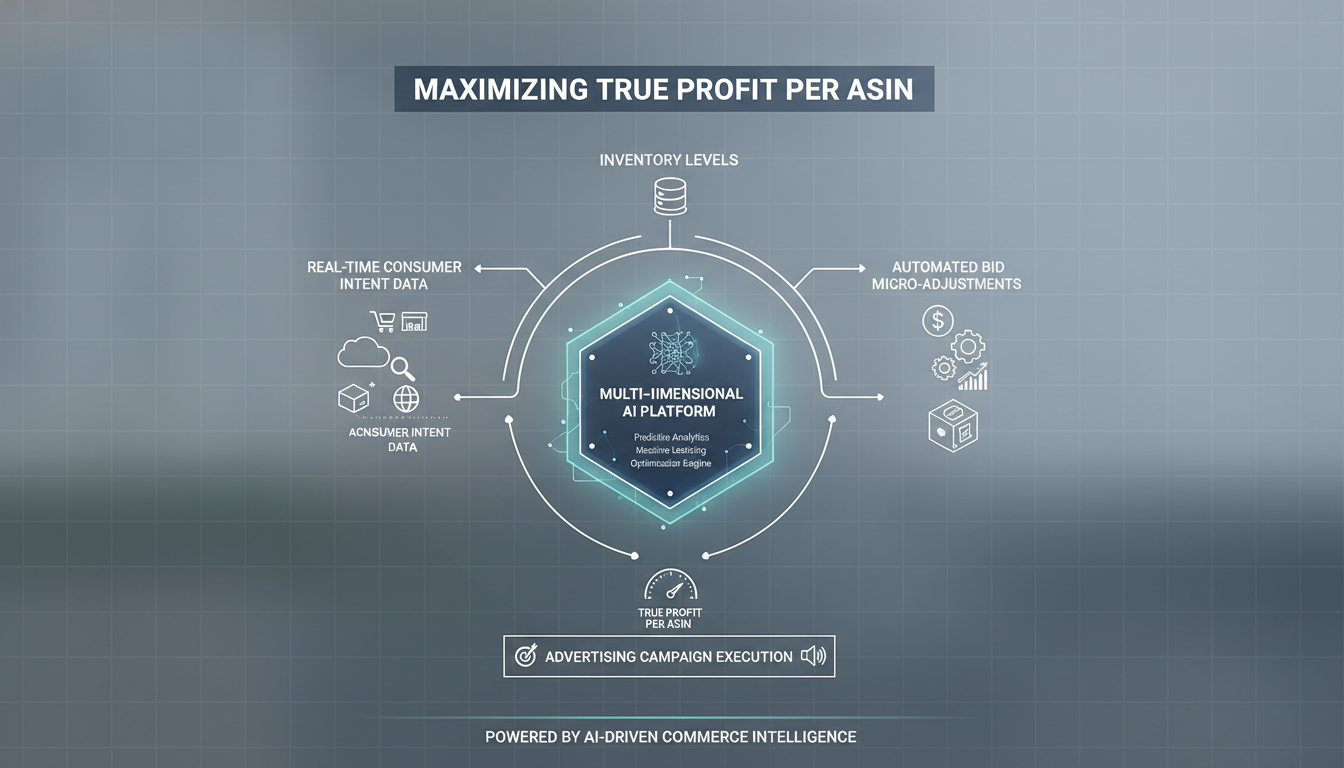
While taking an amazon ppc course can help you understand the basics of setting up campaigns, the modern amazonppc environment is far too complex to manage with simple spreadsheets. True amazon ppc ai and modern ad campaign automation systems utilize predictive machine learning algorithms rather than rigid "if-then" logic. An advanced ai advertising platform analyzes hundreds of real-time signals simultaneously. It reviews historical purchase trends, hourly search volume spikes, category conversion metrics, competitor pricing fluctuations, and current inventory levels to calculate the exact optimal bid for every single keyword impression.
For brands evaluating different types of ad automation platforms, understanding the fundamental differences between basic rules-based ppc software tools and a true predictive ai software for marketing is crucial. Let us compare these two methodologies to understand how they impact your overall amazon advertising strategy:
| Feature / Capability | Legacy Rules-Based Software | Predictive AI Advertising Platform |
|---|---|---|
| Bidding Logic | Static, reactive adjustments based on historical averages (e.g., weekly performance). | Real-time, predictive bid micro-adjustments executed 24/7 based on contextual trends. |
| Keyword Mining | Manual execution or rigid search term harvests based on fixed conversion limits. | Automated, semantic discovery that matches high-converting long-tail keywords instantly. |
| Creative Optimization | Requires human design resources to manually test a small handful of visual layouts. | Generates tailored visual variations utilizing an integrated ai ad generator. |
| Data Integration | Operates in an isolated silo, focusing solely on basic advertising metrics (CTR, ACoS). | Correlates external signals like stock levels, unit economics, and customer service health. |
By upgrading your tech stack from standard ppc software tools to an integrated, predictive marketing management platform, you stop reacting to what happened last week and start anticipating what your buyers will do next. This is why tools like AdAstraa have become crucial for brands looking to reclaim manual hours and eliminate wasted ad spend.
The Role of AI Creative Generators in Amazon Ad Performance
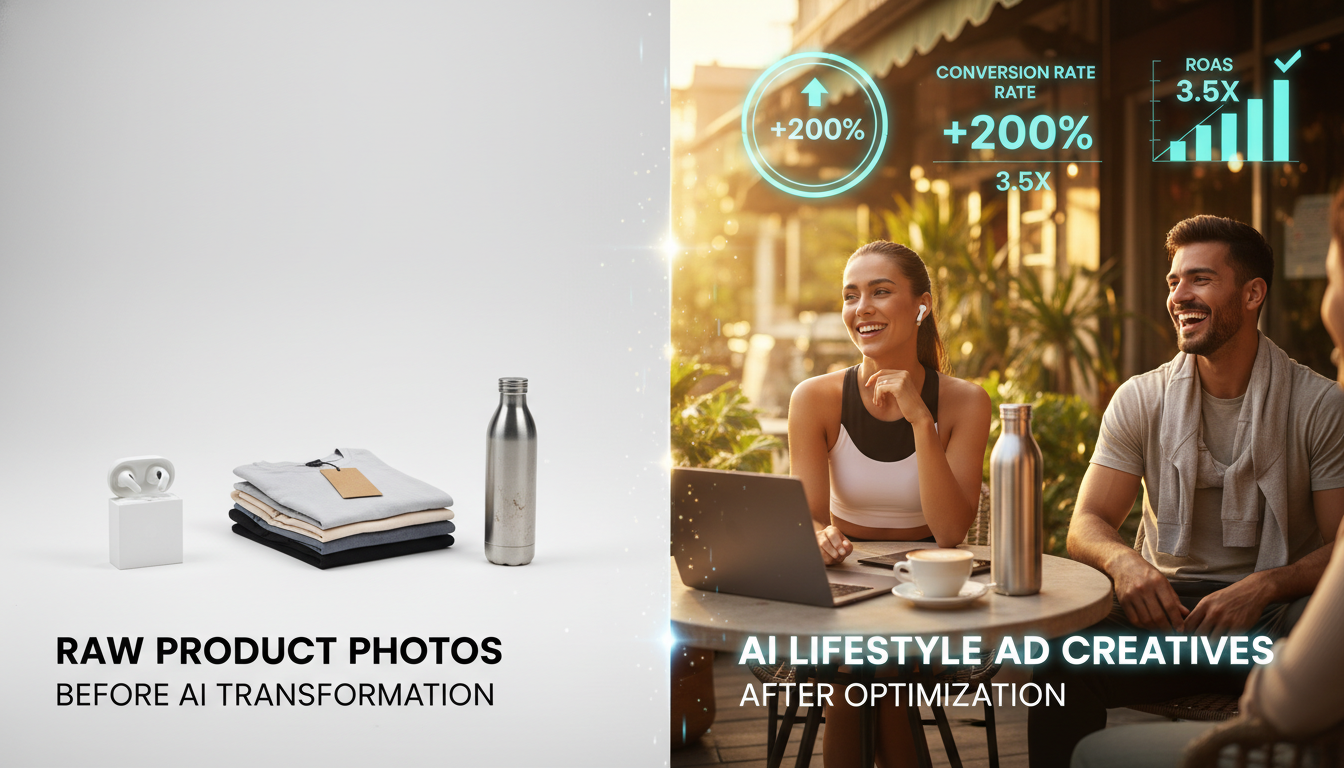
Even the most perfectly optimized bid cannot save an ad that features uninspired, flat, or irrelevant creative assets. In the highly visual world of e-commerce, your visual design and copy are the ultimate gatekeepers of conversion. This is why modern ai marketing strategies rely heavily on an ai ad creator or ai ads creator to fuel high-performing Sponsored Brands and Sponsored Display campaigns.
According to Amazon's official generative AI creative analysis, advertisers saw an average of a 10.3% higher return on ad spend (ROAS) on Sponsored Brands campaigns when using AI-generated images compared to standard product-only visuals. This statistic proves that relevancy and lifestyle context are major factors in digital retail success. E-commerce platforms are actively moving toward self-service creative ecosystems, as highlighted in Amazon Ads Launch of AI Creative Studio at the unBoxed event, which introduced new generative tools to lower visual content barriers.
Historically, launching fresh lifestyle creatives was slow and expensive. A brand had to hire photographers, book models, edit photos, and manually upload assets. With an advanced ai ad generator or ai advertisement generator, e-commerce sellers can instantly transform a basic white-background product image into a rich, seasonally relevant lifestyle scene. Creating high-impact visual campaigns is easy when you generate ads with ai. A dedicated ai ads generator allows sellers to scale graphic asset production instantly.
For example, utilizing an ai powered ad creative suite like AdCreative+ allows an FMCG brand to instantly place their product in an upscale kitchen setting, on a hiking trail, or under a festive holiday background. This level of rapid creative adaptation helps brands capture localized or seasonal shopping trends without incurring thousands of dollars in creative costs. Furthermore, combining an ad creator ai with precise copy-writing capabilities allows you to instantly produce hyper-targeted ad headlines. An ai ads creator can generate multiple textual hooks focused on different customer pain points—such as organic ingredients, ease of use, or fast shipping—allowing the underlying ppc campaign management software to run multi-variable tests and optimize for the highest conversion rates automatically.
Intent-Driven Bidding and Keyword Optimization: How Shopper OS Transforms PPC
To scale an amazon pay per click ads structure successfully, you must master the art of matching customer search terms with their underlying intent. Standard amazon ppc management often treats all search queries within a category equally. However, a shopper searching for "organic protein powder" has a vastly different intent and purchase velocity than someone searching for "protein shake bottles."
This is where the concept of buyer intent intelligence comes into play. By integrating tools like Shopper OS, brands can segment their traffic based on deep behavioral signals. This marketing analytics ai model doesn't just track clicks; it analyzes how buyers navigate, search, and compare listings within a specific category. This depth of analysis represents a quantum leap for marketing with ai in digital retail spaces.
Once the system understands these intent profiles, the bidding engine can apply tailored parameters:
- High-Intent Queries: The system increases bids aggressively to secure the coveted "Top of Search" ad placements, where conversion rates are historically highest.
- Informational/Broad Queries: The system optimizes bids to focus on visibility and brand awareness without overpaying for traffic that is highly unlikely to convert immediately.
- Wasted Spend Filtering: The platform automatically identifies non-converting keywords and applies automated negative matching to prevent budget leakage.
Through continuous amazon ppc optimization, the software builds a dynamic map of your target market. This system removes the manual burden of keyword harvesting. Instead of spending hours in Seller Central pulling search term reports and manually writing negative matches, the amazon ppc automation tool does this continuously, running 24/7 in the background. As noted in Sequence Commerce AI Creative Optimization Guide, integrating advanced generative assets with smart intent targeting results in massive conversion increases, fundamentally improving campaign profitability.
The Power of AI PPC Management in Numbers: Breaking Down the ROI
Many brands hesitate to invest in high-end amazon advertising software or amazon ads software because they view it as an additional monthly expense. While some brands look for advertising software free or basic free ad software options, these tools lack the advanced predictive capabilities of enterprise ppc software. When you calculate the compound value of manual hours saved and ad spend waste eliminated, the return on investment of a premium platform becomes clear.
Let's examine how the strategic application of ppc automation tools and marketing workflow automation transforms key business metrics for an active Amazon brand:
- ACoS and TACoS Reduction: By eliminating non-converting search terms and lowering bids during low-traffic hours, an advanced amazon ppc automation software system typically reduces ACoS by 20% to 35% within the first 60 days. This keeps your overall advertising cost of sales in perfect alignment with your brand's financial goals.
- Time Reclaimed: Human ad managers often spend up to 15 hours per week per account on repetitive optimization tasks—pulling reports, adjusting bids, and creating campaigns. An ad automation system handles these tactical steps in seconds, allowing your team to focus on brand building, product development, and geographic expansion.
- Sales Velocity Boost: Because the amazon ppc tool continuously places your ads in high-converting spots, your overall conversion rate increases. This signals to Amazon's organic ranking algorithm that your product is highly relevant, resulting in a lift in organic placements and search visibility.
For agencies managing dozens of client accounts, adopting an advertising management platform is the only way to scale effectively. Instead of hiring more junior media buyers to manually adjust bids, agencies can utilize an ad management platform to handle the tactical legwork, enabling their senior strategists to act as consultative growth partners for their clients.
Achieving "True Profit" Through Unified Marketing and Operations
One of the greatest dangers facing modern Amazon brand owners is optimizing for "vanity metrics" while losing money on every sale. It is easy for an advertising agency to show a beautiful ROAS chart, but if that ROAS is achieved by selling low-margin products that cost a fortune to ship, your real business profit suffers. Analyzing the best amazon marketing campaigns shows a clear pattern: the brands that achieve highest profit combine creative excellence with data-driven bidding.
An advanced marketing optimization tools framework doesn't operate in a vacuum. It integrates your advertising metrics directly with your underlying operational data:
- Inventory Integration: The amazon campaign optimization engine reads inventory stock levels. If an ASIN is running low on inventory, the system automatically dials back ad spend to prevent a total stock-out, which would destroy the product's organic ranking.
- COGS and Fees Awareness: The AI calculates the exact true profit margin per ASIN by factoring in manufacturing costs, FBA storage fees, returns, and shipping costs. The bidding engine then adjusts targets to ensure every ad dollar spent contributes to real bottom-line profit.
- Operational Synergy: By integrating AI-powered customer support operations—such as automated response and review matching—brands can resolve customer inquiries and manage reviews automatically. This keeps listing ratings high, which directly improves ad conversion rates and lowers the cost per click (CPC).
By combining marketing, creative asset generation, and operational data into an all in one advertising platform, you create a resilient business model that thrives even in highly competitive market climates. This requires a transition to ai based marketing automation systems that unify the entire backend.
Practical Roadmap for Implementing AI Marketing Strategies
Transitioning from manual campaign management to a fully integrated ai ads and ai in ads ecosystem can feel daunting. However, by breaking the migration down into structured phases, your brand can safely automate operations without sacrificing control. Use these practical amazon advertising tips to start your automation journey:
- Conduct an Audit of Current Campaigns: Before turning on any ppc automation software, pull your historical search term reports. Identify your top-performing search queries, high-ACoS terms, and obvious sources of wasted spend. This data serves as the baseline for your new campaign structure.
- Establish Margin and Target Rules: Define your target ACoS, break-even ACoS, and minimum margin thresholds for each ASIN. Ensure your best amazon ppc automation software is programmed with these exact parameters to prevent overspending on low-margin listings.
- Deploy AI Bidding (Autopilot): Activate your AI bidding engine to run continuously. Let the machine-learning models optimize bids at the impression level, keeping campaigns optimized 24/7 across different time zones.
- Integrate Creative Assets (AdCreative+): Use an ai advertising company platform to generate customized lifestyle assets for your Sponsored Brands campaigns. Run A/B tests against your old product-only images to measure the click-through rate (CTR) impact.
- Leverage Buyer Intent Analytics (Shopper OS): Implement intent segmentation to scale your reach. Funnel high-converting search queries into dedicated campaign funnels while automatically applying negative matching to non-converting, generic search traffic.
- Monitor True Profitability: Review your performance weekly using a holistic marketing ai software dashboard. Do not just focus on ACoS; track your true profit margins per ASIN to ensure your automated campaigns are actively driving bottom-line growth.
Conclusion: The Competitive Advantage of Multi-Dimensional AI
The Amazon marketplace is moving faster than ever. As ad costs continue to rise and consumer shopping habits shift, manual PPC campaign management is no longer a viable way to scale. Relying on basic rules-based software tools only provides a temporary band-aid to a larger structural challenge.
To build a sustainable, highly profitable Amazon brand today, you must adopt a multi-dimensional AI advertising strategy. By combining real-time bid optimization, hyper-relevant AI creative assets, buyer intent intelligence, and operational alignment, you position your brand to win high-value conversions while systematically cutting wasted spend.
If you are ready to stop wasting ad spend, reclaim valuable manual hours, and get clear visibility into your true profitability per ASIN, it is time to upgrade your advertising framework. Explore how the AdAstraa platform combines Autopilot, Shopper OS, EcomGPT, and AdCreative+ to provide an all-in-one operating system built specifically for Amazon-first brands, FMCG sellers, and modern ad agencies.